
15 products
Figurative Painting | Trujillo

Fuencarral | Original Painting by Trujillo
Regular price Sale price €630,00 EUR
Rambla | Original Painting by Trujillo
Regular price €630,00 EUR Sale price €630,00 EUR
Sombras I | Original Painting by Trujillo
Regular price €1.320,00 EUR Sale price €1.320,00 EUR
Sombras II | Original painting by Trujillo
Regular price €1.320,00 EUR Sale price €1.320,00 EUR
Selfie Madroño | Cuadro Original de Trujillo
Regular price €1.320,00 EUR Sale price €1.320,00 EUR
Schweppes | Cuadro Original de Trujillo
Regular price €1.565,00 EUR Sale price €1.565,00 EUR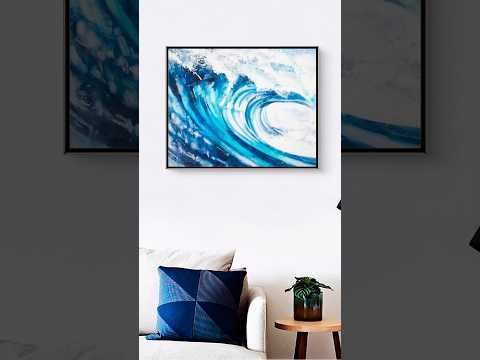

Mareas II | Original Painting by Trujillo
Regular price €1.565,00 EUR Sale price €1.565,00 EUR
Derroteros de Vida | Original Painting by Trujillo
Regular price Sale price €2.230,00 EUR

Wander I | Original Painting by Trujillo
Regular price Sale price €2.290,00 EUR
Puerta del Sol | Original Painting by Trujillo
Regular price Sale price €2.290,00 EUR
Deambular III | Original Painting by Trujillo
Regular price €2.095,00 EUR Sale price €2.095,00 EUR
Deambular II | Original Painting by Trujillo
Regular price €2.230,00 EUR Sale price €2.230,00 EURFREQUENTLY ASKED QUESTIONS
Trujillo's contemporary figurative paintings start from recognizable elements—figures, urban spaces, shadows, traffic, or scenes of movement—but are not limited to a literal representation. The collection features works from series such as "Caminar" (Walking), "Andar" (Strolling), "Tránsito" (Traffic), or "Vidas Inversas" (Inverted Lives), where the figure and the city become vehicles of memory, journey, and atmosphere. This allows the buyer to acquire a work with a visual narrative without losing the expressive power of contemporary painting.
Figurative paintings are suitable for buyers who want an original work with recognizable references and, at the same time, an open artistic interpretation. They work well for those who are drawn to urban scenes, human presence, movement, or compositions that suggest stories. Compared to pure abstraction, figuration offers a more narrative entry point, ideal for homes, offices, or professional spaces where one is looking for a work with character, visual identity, and conversation.
At TrujilloArt, the main difference lies in the type of visual language. Abstract paintings rely more on color, gesture, composition, and non-literal emotion; figurative ones incorporate recognizable elements such as streets, bodies, shadows, or urban references. However, both lines share the characteristic of being original works, the artist's contemporary perspective, and the intention of creating pieces with presence. The choice depends on whether the buyer prefers an open interpretation or an image with a stronger narrative anchor.
Yes, a significant part of the figurative collection relates to cities, journeys, and urban spaces. Works from the series "Caminar, Andar" (Walking, Wandering) allude to places like Amsterdam, Brooklyn, London, Paris, or Rome, while other series explore transit, shadows, and displacement. This orientation makes the collection a good option for people seeking contemporary painting with a memory of the city, daily movement, and an artistic perspective on the experience of walking or inhabiting spaces.
Authenticity is verified by the certificate signed and sealed by the artist that accompanies TrujilloArt's original works. This document helps identify the piece, confirm its authorship, and preserve relevant information for the buyer. In an online purchase of figurative painting, the certificate provides confidence because the work is not valued only as a decorative object, but as an original artistic creation, linked to a trajectory, a technique, and a specific collection.
To integrate a contemporary figurative painting, it is advisable to choose a wall where the work can visually breathe and interact with its surroundings. A piece with urban references can enhance a modern, cultural, or travel-themed atmosphere; a work with shadows or figures can add emotional depth to a living room, study, or reading area. The important thing is not to treat it as a mere accessory, but as a focal point that organizes color, style, and conversation within the space.